
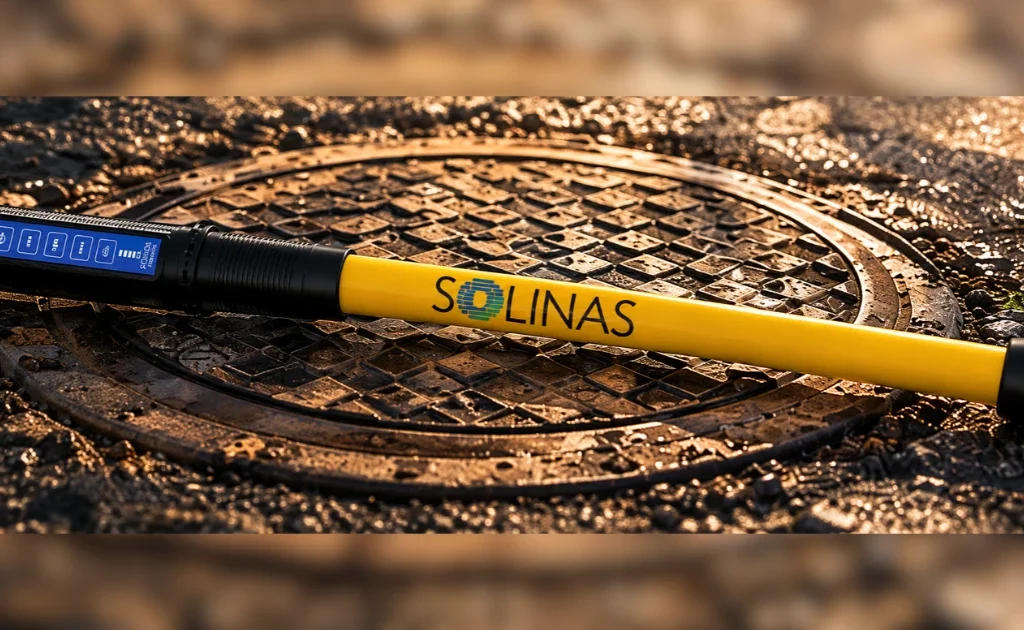
Solinas Technologies introduces a new generation of magnetic locator, combining solid-state sensing with a companion mobile app for a more connected field experience.
Finding a buried valve box, survey marker, or iron utility component is a familiar challenge for field crews. These assets can disappear beneath pavement, soil, vegetation, or years of changing infrastructure. For decades, magnetic locators have helped professionals solve these challenges using a familiar process: sweep the instrument, listen for changes in the signal, and pinpoint the buried ferrous object.
While the job itself hasn’t changed much, the technology available to perform it has. The new FerrousFinder 2000 from Solinas Technologies combines modern solid-state magnetic sensing with a connected mobile app, bringing visual feedback and software connectivity to an established field instrument.
A Familiar Workflow, Now With a Visual Advantage
Traditional magnetic locating is primarily an audio-driven process. Operators interpret changes in tone as they sweep an instrument across the ground, using the signal response to narrow down a buried target’s location. It’s a proven method, but one that relies heavily on the operator’s ability to distinguish subtle changes in sound, sometimes in environments filled with traffic, construction equipment, and other background noise.
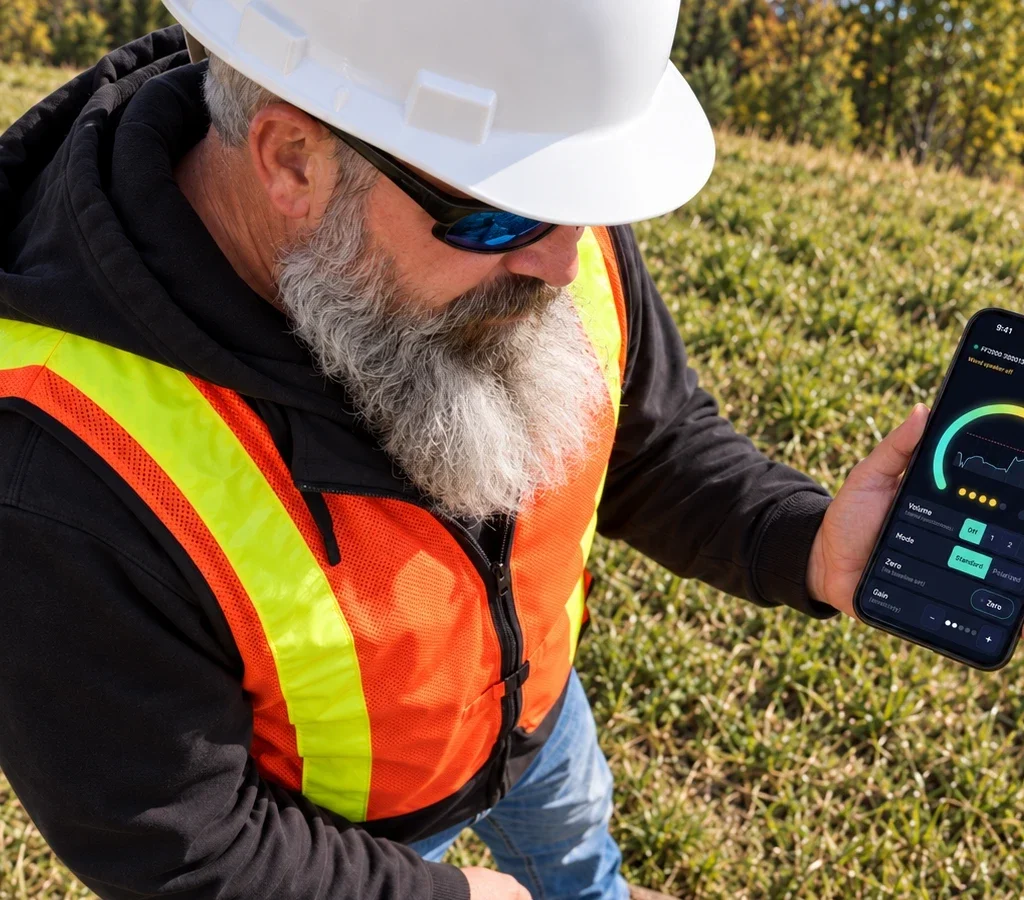
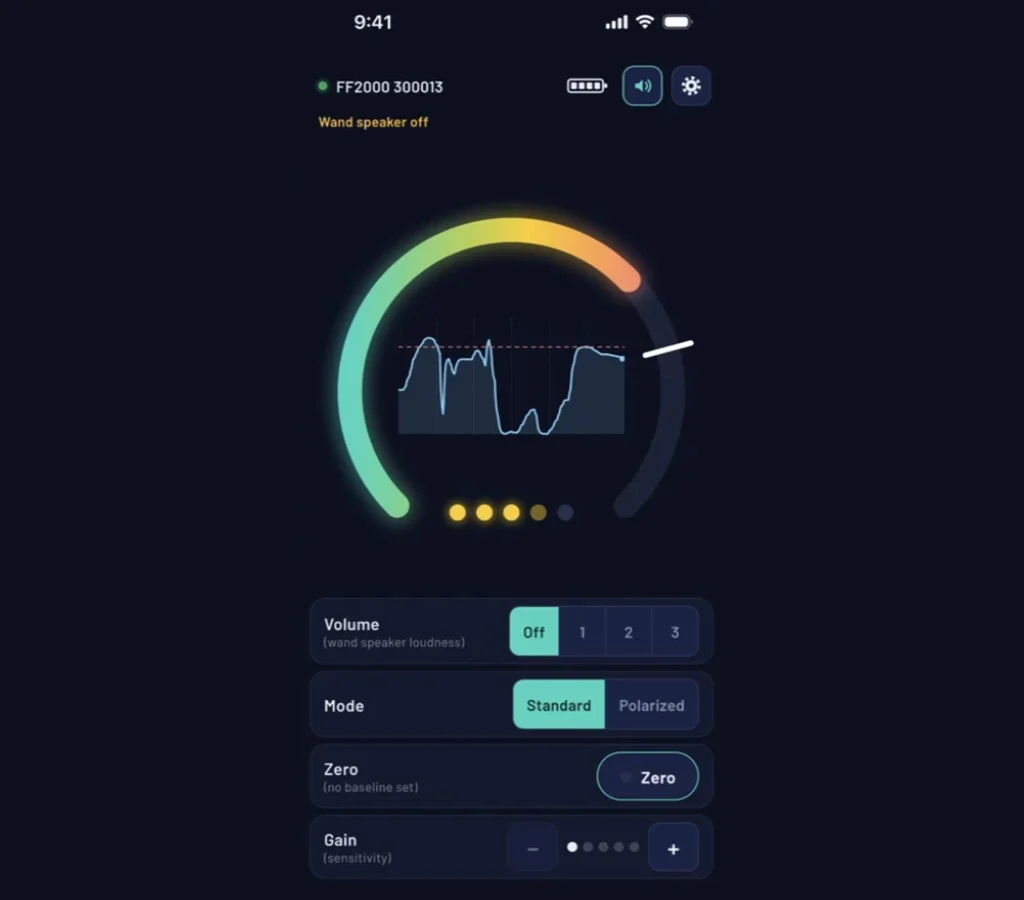
FerrousFinder 2000 builds on that familiar workflow by adding a companion mobile app that allows operators to see the instrument’s response in addition to hearing it. The app provides a visual representation of the magnetic signal, giving operators another way to interpret changes as they approach a target. This additional feedback can be particularly useful in noisy environments or for operators who prefer a visual reference alongside audible signals.
The objective is straightforward: retain the simplicity of conventional magnetic locating while providing operators with more information to support their work.
Hear it. See it. Zero in.
More Than a Display: A Connected Magnetic Locator
One of FerrousFinder 2000’s most significant distinctions is the integration between the instrument and its companion mobile app, available for Apple and Android devices. Rather than functioning as a simple accessory, the app is part of a connected locating system that brings additional capabilities to the field. Operators can view live magnetic signal feedback on their phone while continuing to use the instrument’s familiar audible response, combining two forms of feedback within a single locating workflow.
The app is also designed with everyday field use in mind. It remembers the previously connected FerrousFinder instrument, helping simplify reconnection for operators who regularly work with the same device. Solinas is also advancing the platform’s capabilities through software development, including enhancements to audible feedback and support for over-the-air firmware updates. These capabilities reflect an important distinction between conventional standalone instruments and connected equipment that can continue to evolve after purchase.
For utility professionals, the value is not technology for its own sake. It’s the ability to use a familiar tool with a more informative interface, convenient connectivity, and a platform designed to accommodate future enhancements. FerrousFinder brings modern software capabilities to magnetic locating without requiring operators to abandon the established sweep-and-pinpoint process.
Modern Sensing Beneath the Surface
Behind the connected experience is a different approach to magnetic sensing. FerrousFinder 2000 uses solid-state magnetic sensors rather than traditional tuned sensing coils, providing a modern electronic architecture for detecting changes in the surrounding magnetic field caused by buried ferrous objects. Field calibration allows operators to adjust the instrument for local conditions, while straightforward controls keep the focus on locating rather than complicated setup procedures.
The tool is designed for a range of utility, municipal, construction, and industrial applications. Water distribution crews can use it to locate buried valve boxes, curb boxes, and other ferrous components, while municipal workers can identify iron manhole covers concealed beneath pavement or ground cover. Surveyors and construction professionals can use magnetic locating to find buried ferrous survey pins and property markers, and industrial operators can apply the technology to suitable buried iron and steel infrastructure.
Unlike electromagnetic line locators, which are used to trace conductive utilities, FerrousFinder is designed to detect localized ferrous targets. It complements other underground locating technologies, including Solinas’ SonicFinder acoustic locating equipment for non-metallic pipelines, by addressing a different set of challenges encountered in the field.